Broader Nutrient Exposure
Different foods contain different micronutrients. Rotating your choices naturally increases the range of vitamins, minerals, and beneficial compounds you encounter throughout the week.
⚠️ Educational Content Only: This website provides general information about food variety and meal planning. Not medical advice. Consult qualified healthcare professionals for personalized dietary guidance. Learn More
Educational resources to help you understand food diversity principles. We provide information and guidance about meal planning strategies. This is educational content only - not personalized nutrition advice or medical recommendations.
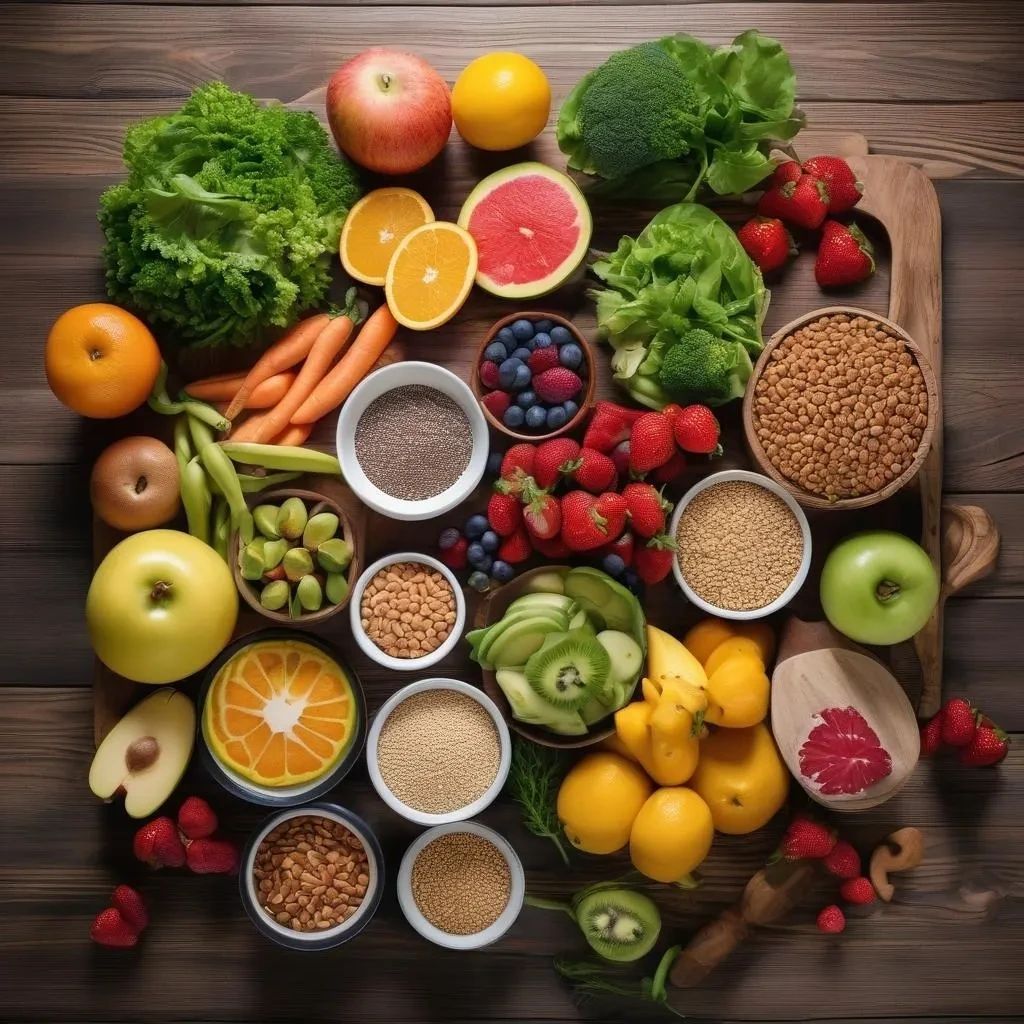
Most people cycle through the same handful of meals week after week. While there is comfort in familiarity, expanding your food repertoire brings unexpected benefits that extend beyond nutrition.
Different foods contain different micronutrients. Rotating your choices naturally increases the range of vitamins, minerals, and beneficial compounds you encounter throughout the week.
Trying new ingredients or preparation methods can reignite interest in cooking and eating. This psychological shift often leads to more mindful food choices overall.
Learning to work with various foods builds adaptability. You become less dependent on specific items and more confident navigating different dining situations.

Our process is designed to be straightforward and adaptable to your current situation, preferences, and goals.
Begin by observing your typical food patterns over several days. This creates awareness without judgment.
Spot areas where simple swaps or additions could introduce more variety without overwhelming your routine.
Make small, manageable changes. Even one new ingredient per week creates meaningful diversification over time.
Continue building your repertoire based on what resonates with your taste preferences and lifestyle.
Not in the traditional sense. We provide educational content about food variety and balanced eating patterns. Our focus is on expanding knowledge rather than restricting choices or setting calorie targets.
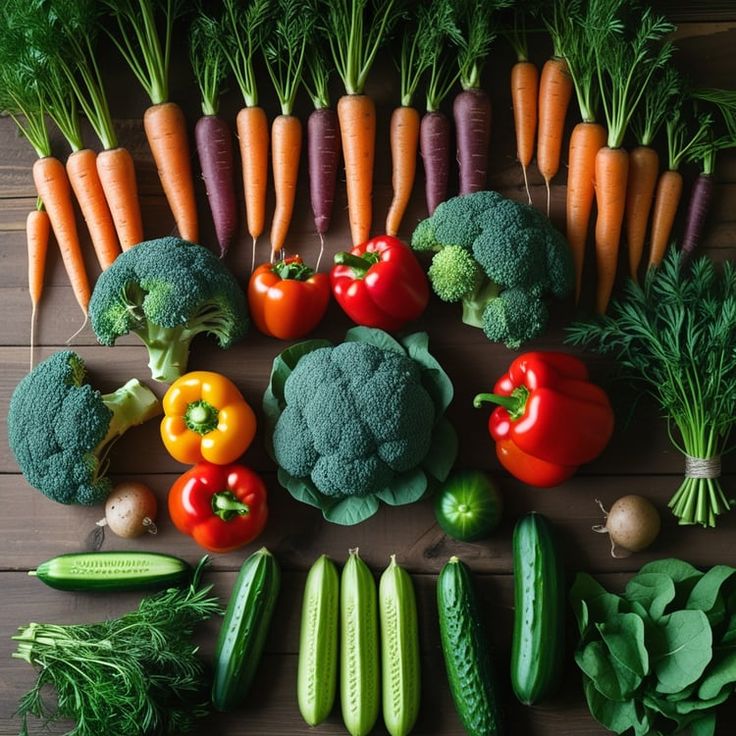
Most suggestions work with items available at standard grocery stores. While we introduce less common options, the framework functions perfectly well using accessible, everyday ingredients.
The time investment is minimal. Reviewing guidance takes about 15 minutes weekly. Implementation depends on your current cooking habits, but variety does not necessarily mean complexity.
Absolutely. The principles of food variety apply regardless of whether you follow vegetarian, vegan, pescatarian, or omnivorous patterns. We offer adaptable frameworks rather than fixed menus.
This website provides general educational information about food variety and meal planning. It is NOT intended as medical advice, nutritional counseling, diagnosis, or treatment. We do not provide personalized dietary plans or health recommendations. Always consult qualified healthcare professionals (doctors, registered dietitians, nutritionists) regarding specific health concerns or before making significant dietary changes. Individual nutritional needs vary based on age, activity level, health status, allergies, medications, and personal circumstances. Results may vary. This service is operated from Auckland, New Zealand and complies with New Zealand consumer protection laws.